
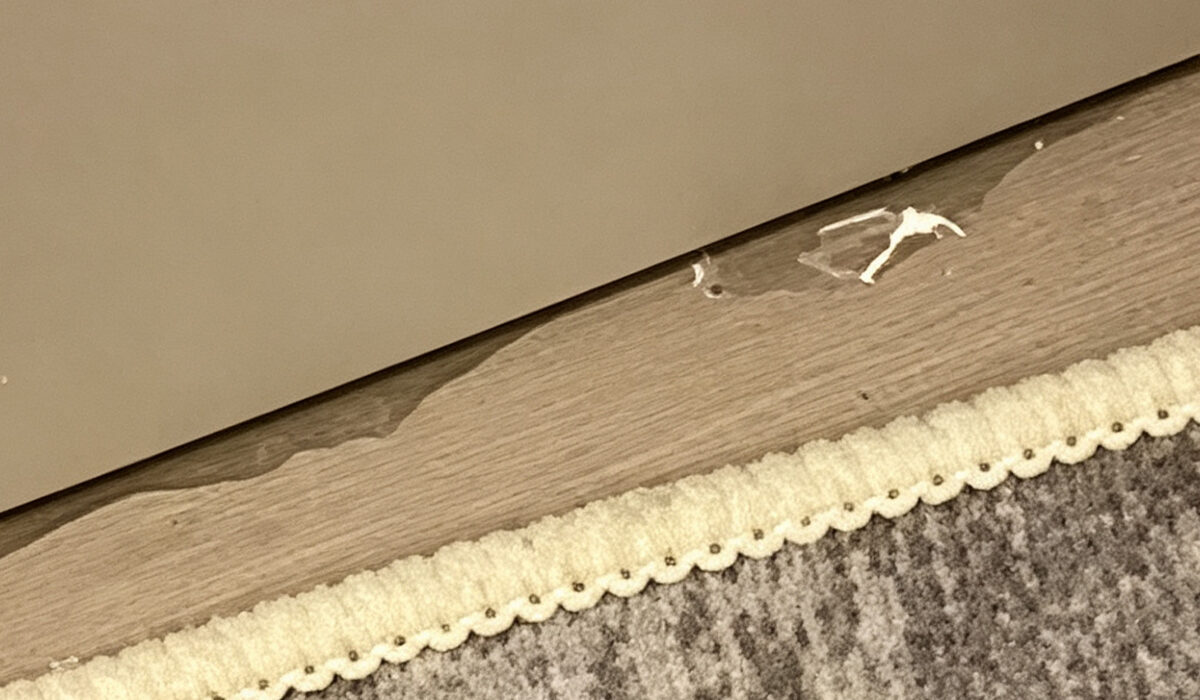
Why Is There Water Inside a Hyperbaric Oxygen Chamber? Causes, Solutions & Prevention Guide
Keywords: Hyperbaric Oxygen Chamber, HBOT Chamber, Home Hyperbaric Chamber, Mild Hyperbaric Oxygen Therapy, 2.0 ATA Hyperbaric Chamber, Hyperbaric Chamber Maintenance, Hyperbaric Chamber Condensation, Hyperbaric Oxygen Therapy for ALS
Real Customer Case: Water Inside a 2.0 ATA Hyperbaric Oxygen Chamber
One of our Australian customers purchased a 2.0 ATA Hyperbaric Oxygen Chamber in August 2025 for supportive treatment related to ALS (Amyotrophic Lateral Sclerosis).
After approximately ten months of normal use, the customer contacted our after-sales team because they noticed a small amount of water accumulating inside the chamber. At first, they were concerned that the chamber might have developed a leak.
However, after a comprehensive analysis by our engineers, we confirmed that the chamber itself was not leaking. The water was actually caused by condensation, which is a completely different phenomenon.
This case is very common during winter and can occur in many countries with cold climates.
Is Water Inside the Hyperbaric Chamber Really a Leak?
The answer is usually no.
Many users immediately assume that water inside the chamber indicates equipment failure. In reality, one of the most common causes is simply water vapor condensation.
Just like water droplets forming on a cold window in winter, moisture can also condense inside a Hyperbaric Oxygen Chamber when the temperature difference becomes significant.
Why Does Condensation Occur Inside a Hyperbaric Oxygen Chamber?
During our investigation, we found several environmental factors.
1. Winter Temperature in Australia
When the issue occurred, it was June, which is winter in Australia.
The room temperature outside the chamber was relatively low.
2. Air Conditioner Was Turned Off During Treatment
To make the room quieter, the customer switched off the air conditioner while using the chamber.
Without temperature control, the chamber experienced a noticeable difference between:
- the warmer air generated during operation
- the colder chamber wall exposed to the winter environment
3. Warm Moist Air Meets a Cold Surface
Inside the chamber, occupants naturally release moisture through:
- breathing
- perspiration
- body heat
As the warm humid air contacts the colder chamber wall, the moisture condenses into tiny droplets.
These droplets slowly run down the chamber wall and collect at the bottom, creating the appearance of a water leak.
This process is identical to condensation forming on bathroom mirrors or drinking glasses filled with ice water.
How We Solved the Problem
After confirming that the chamber was functioning normally, our engineers provided the customer with two practical solutions.
Solution 1: Increase the Room Temperature
The first recommendation was to:
- turn on the room heater
- keep the room warm before and during HBOT treatment
- reduce the temperature difference between the inside and outside of the chamber
By minimizing the temperature gap, condensation was significantly reduced.
Keywords: Hyperbaric Chamber Maintenance, Home Hyperbaric Chamber
Solution 2: Use the Air Conditioner in Dehumidification Mode
The second recommendation was:
- turn on the air conditioner
- set the temperature to the lowest setting
- select Dry / Dehumidification Mode
- keep the fan speed on Low
This method lowers the humidity inside the room.
When the surrounding air contains less moisture, much less water vapor forms inside the chamber during treatment.
As a result, condensation is effectively eliminated.
Results After Implementing the Solutions
The customer tested both methods.
The results were excellent.
- No more visible water accumulation
- Chamber performance remained completely normal
- Pressure system operated correctly
- Oxygen therapy sessions continued without interruption
The issue was completely resolved without replacing any components or repairing the chamber.
How to Prevent Condensation in Your Hyperbaric Oxygen Chamber
To reduce the chance of condensation during colder seasons, we recommend the following:
✔ Keep the treatment room warm
Avoid placing the chamber in an excessively cold room.
✔ Control indoor humidity
Using an air conditioner in Dry Mode or a dehumidifier can greatly reduce moisture.
✔ Maintain good ventilation
Proper air circulation helps keep humidity levels stable.
✔ Perform regular maintenance
Routine inspections ensure your HBOT Chamber continues to operate safely and efficiently.
Does Condensation Affect Hyperbaric Oxygen Therapy?
In most situations, no.
A small amount of condensation does not affect:
- chamber pressure
- oxygen concentration
- treatment effectiveness
- chamber safety
However, excessive water accumulation should be cleaned promptly to maintain hygiene and improve the user experience.
If users notice a large amount of water or suspect an actual leak, they should contact the manufacturer for professional inspection.
Abschließende Überlegungen
Finding water inside a Hyperbaric Oxygen Chamber can be alarming, but it does not necessarily indicate a leak.
In many cases—especially during winter—the cause is simply condensation resulting from differences in temperature and humidity.
Our Australian customer’s experience demonstrates that simple environmental adjustments, such as increasing room temperature or using an air conditioner in dehumidification mode, can completely solve the problem.
At 2.0 ATA, a high-quality Hyperbaric Oxygen Chamber is designed to operate reliably in a wide range of environments. Proper room temperature, humidity control, and routine maintenance will help ensure optimal performance and a comfortable treatment experience throughout the year.